

As a dedicated supplier of hex nuts, I've witnessed firsthand the transformative power these small yet mighty components can have in a wide range of projects. Hex nuts are ubiquitous in industries from construction and automotive to manufacturing and DIY home improvement. Their ability to secure bolts and fasteners, creating a stable and reliable connection, is fundamental to the success of countless structures and products. In this blog post, I'll share some insights on how to optimize the use of hex nuts in your projects, ensuring both efficiency and durability.
Understanding the Basics of Hex Nuts
Before delving into optimization strategies, it's crucial to have a solid understanding of what hex nuts are and how they work. Hex nuts are six-sided nuts designed to be tightened onto a bolt or threaded rod using a wrench or a socket. The hexagonal shape provides multiple gripping points, allowing for easy installation and removal. They come in various materials, including steel, stainless steel, brass, and nylon, each with its own set of properties and applications.
Steel hex nuts are the most common type, known for their strength and durability. They are suitable for heavy-duty applications where high torque and resistance to wear are required. Stainless steel hex nuts, on the other hand, offer excellent corrosion resistance, making them ideal for outdoor or marine environments. Brass hex nuts are often used in electrical applications due to their conductivity, while nylon hex nuts provide a non-metallic option with good insulation properties.
Selecting the Right Hex Nut for Your Project
One of the key factors in optimizing the use of hex nuts is choosing the right type for your specific application. Here are some considerations to keep in mind:

Material Compatibility
Ensure that the material of the hex nut is compatible with the material of the bolt and the surrounding components. For example, using a steel hex nut with a stainless steel bolt can lead to galvanic corrosion, which can weaken the connection over time. In such cases, it's best to use a stainless steel hex nut or a nut made from a compatible material.
Size and Thread Pitch
The size and thread pitch of the hex nut must match the bolt or threaded rod. Using a nut that is too small or has the wrong thread pitch can result in a loose or unstable connection, while a nut that is too large may not fit properly. Always refer to the manufacturer's specifications or use a thread gauge to ensure a proper fit.
Application Requirements
Consider the specific requirements of your project, such as the level of torque, vibration, and environmental conditions. For applications where high torque is required, a heavy-duty hex nut with a higher grade of material may be necessary. In applications with high levels of vibration, a locking nut, such as a High-quality Anti-loose Nut, can help prevent the nut from loosening over time.
Proper Installation Techniques
Once you've selected the right hex nut for your project, it's important to install it correctly to ensure optimal performance. Here are some tips for proper installation:
Clean the Threads
Before installing the hex nut, make sure the threads of the bolt and the nut are clean and free of debris. Any dirt, grease, or rust can affect the fit and performance of the connection. Use a wire brush or a cleaning solvent to remove any contaminants.
Use the Right Tools
Always use the appropriate tools for installing the hex nut, such as a wrench or a socket that fits the nut properly. Using the wrong size or type of tool can damage the nut or the bolt, leading to a poor connection. Make sure the tool is in good condition and has a firm grip on the nut.
Apply the Right Amount of Torque
Applying the correct amount of torque is crucial for ensuring a secure and stable connection. Over-tightening the nut can damage the threads or cause the bolt to break, while under-tightening can result in a loose connection that may come apart over time. Use a torque wrench to apply the recommended torque specified by the manufacturer.
Consider Locking Mechanisms
In applications where vibration or movement is a concern, consider using a locking mechanism to prevent the nut from loosening. There are several types of locking nuts available, including High-quality Anti-loose Nut, which use a nylon insert or a deformed thread to provide a locking action. Another option is to use a thread-locking compound, which can be applied to the threads of the bolt before installing the nut.
Maintenance and Inspection
To ensure the long-term performance of your hex nuts, it's important to perform regular maintenance and inspection. Here are some tips for maintaining and inspecting your hex nuts:
Check for Loose Nuts
Periodically check the hex nuts for tightness, especially in applications where vibration or movement is present. If you notice any loose nuts, tighten them immediately to prevent further loosening or damage.
Inspect for Damage
Inspect the hex nuts for signs of damage, such as cracks, corrosion, or wear. If you notice any damage, replace the nut immediately to ensure the integrity of the connection.
Lubricate the Threads
In some applications, lubricating the threads of the bolt and the nut can help reduce friction and wear, making it easier to install and remove the nut. Use a lubricant that is compatible with the material of the nut and the bolt, and apply it sparingly to avoid attracting dirt or debris.
Advanced Optimization Strategies
In addition to the basic tips and techniques outlined above, there are several advanced optimization strategies that can further enhance the performance of your hex nuts. Here are some examples:
Use Flange Nuts
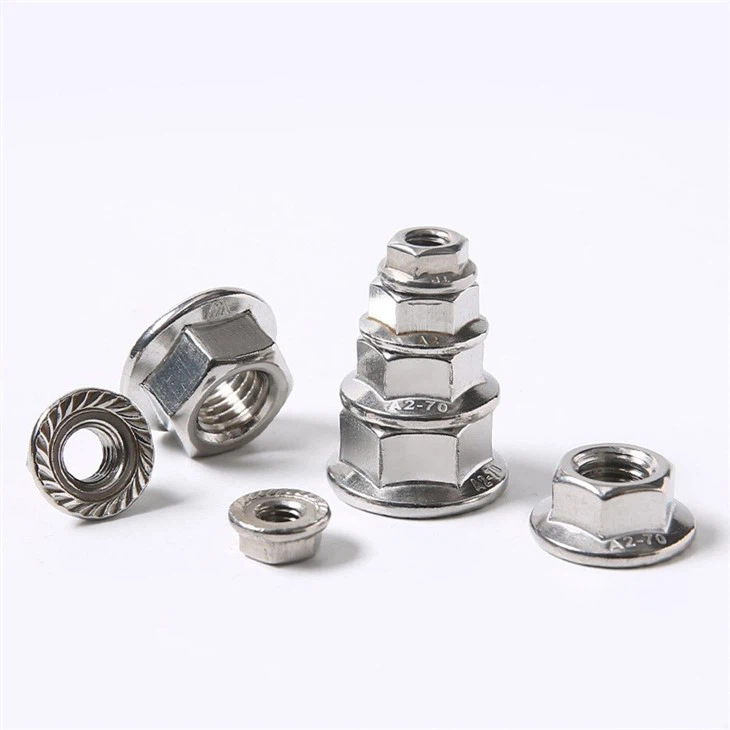
Flange Nut And Bolt are a type of hex nut that has a built-in flange, which acts as a washer. The flange provides a larger bearing surface, distributing the load more evenly and reducing the risk of damage to the surface of the material being fastened. Flange nuts are often used in applications where a more secure and stable connection is required, such as in automotive or machinery applications.
Consider Using Steel Flange Nuts
Steel Flange Nut offer the same benefits as flange nuts, but with the added strength and durability of steel. They are suitable for heavy-duty applications where high torque and resistance to wear are required. Steel flange nuts are commonly used in construction, industrial, and automotive applications.
Implement a Quality Control Program
To ensure the consistency and quality of your hex nuts, consider implementing a quality control program. This can include regular inspections, testing, and certification of your products to ensure that they meet the required standards and specifications. A quality control program can help you identify and address any issues early on, preventing costly rework or product failures.
Conclusion
Optimizing the use of hex nuts in your project is essential for ensuring the safety, reliability, and longevity of your structures and products. By understanding the basics of hex nuts, selecting the right type for your application, using proper installation techniques, performing regular maintenance and inspection, and implementing advanced optimization strategies, you can maximize the performance of your hex nuts and achieve the best possible results.
As a trusted supplier of hex nuts, I'm committed to providing high-quality products and expert advice to help you optimize the use of hex nuts in your projects. If you have any questions or need assistance in selecting the right hex nuts for your application, please don't hesitate to contact us. We'd be happy to help you find the perfect solution for your needs.
References
- Machinery's Handbook, 31st Edition
- ASTM International Standards for Nuts and Bolts
- Fastener Training Institute (FTI) Guidelines