

Hey there! I'm a supplier for SHCS (Socket Head Cap Screws), and I often get asked, "Are there any partnerships of SHCS?" Well, let's dive right into this topic and explore the ins and outs of SHCS partnerships.
First off, what is SHCS? SHCS are those cool little screws with a hexagonal socket in the head. They're widely used in all sorts of industries, from machinery to electronics. As a supplier, I've seen firsthand how these screws play a crucial role in keeping things together, quite literally.
Now, when it comes to partnerships, there are indeed several types that SHCS can be a part of. One of the most common partnerships is between manufacturers and suppliers. In my case, I'm on the supplier side. I work closely with manufacturers to ensure they get the right SHCS for their products. We collaborate on things like quantity, quality, and delivery schedules. For example, if a manufacturer is working on a new line of machinery, they'll need a specific type of SHCS. We'll have discussions about the size, material, and finish of the screws to make sure they meet the requirements of the machinery.

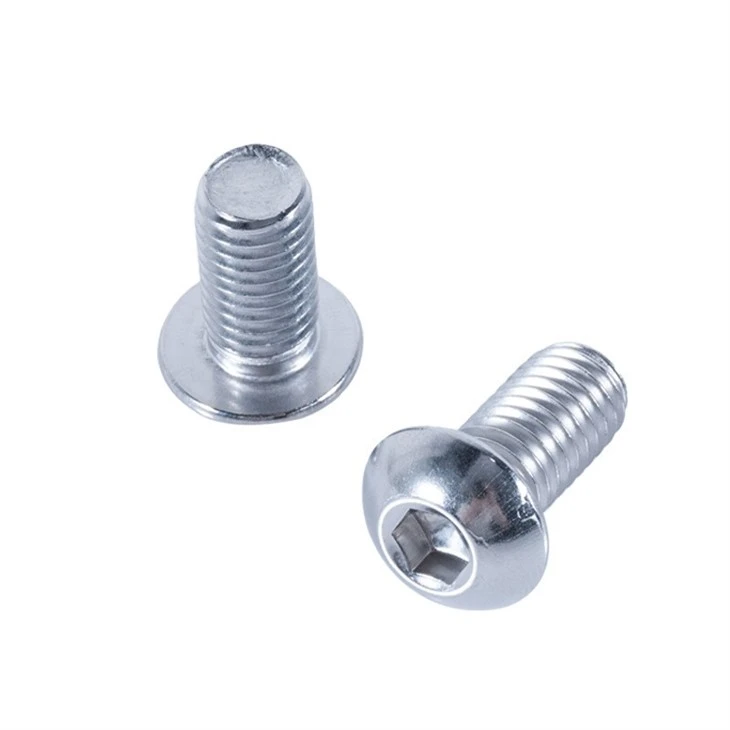
Another important partnership is with distributors. Distributors act as a bridge between suppliers like me and end - users. They have a wide network of customers, and they help in getting the SHCS to the right places. They're really good at understanding the market demand and stocking the right products. For instance, if there's a sudden increase in demand for Round Head Hex Screw in a particular region, the distributor can quickly restock and supply them to local businesses.
There are also partnerships with research institutions. These partnerships are focused on innovation. Research institutions are always looking for ways to improve the performance of SHCS. They might be working on new materials that are stronger, more corrosion - resistant, or lighter. As a supplier, I'm interested in these partnerships because they can lead to the development of better products. For example, if a research institution comes up with a new alloy for Stainless Steel Turnbuckle, it could mean longer - lasting and more reliable turnbuckles for our customers.
In the automotive industry, SHCS partnerships are crucial. Automobile manufacturers need high - quality SHCS for various components, such as engines, transmissions, and suspension systems. Suppliers, manufacturers, and distributors all work together to ensure that the right screws are used in the right places. The automotive industry has very strict quality standards, so these partnerships need to be really tight. If a screw fails in an automotive application, it can have serious consequences, so everyone involved takes their roles very seriously.
The electronics industry also has significant SHCS partnerships. With the miniaturization of electronic devices, the demand for smaller and more precise SHCS has increased. Suppliers work with electronics manufacturers to develop screws that can fit into tiny spaces without compromising on strength. For example, Copper Screws are often used in electronics because of their good conductivity. Partnerships in this industry are focused on meeting the ever - changing design requirements of electronic devices.
Now, let's talk about the benefits of these partnerships. For suppliers like me, partnerships mean a more stable business. By working closely with manufacturers and distributors, I can better predict the demand for SHCS. This allows me to manage my inventory more efficiently and reduce costs. It also gives me access to new markets and customers through the networks of my partners.
For manufacturers, partnerships ensure a reliable supply of high - quality SHCS. They can focus on their core business of product development and manufacturing, knowing that they'll get the right screws when they need them. Partnerships also provide opportunities for innovation, as they can collaborate with research institutions and suppliers to improve their products.
Distributors benefit from partnerships by having access to a wider range of products. They can offer more choices to their customers, which helps in increasing their market share. They also get support from suppliers and manufacturers in terms of marketing and product knowledge.
Research institutions gain valuable real - world data from partnerships with suppliers and manufacturers. This data helps them in their research and development efforts. It also gives them a platform to test their new ideas and products in actual applications.
However, partnerships aren't always a walk in the park. There can be challenges, such as differences in business cultures, communication issues, and conflicting interests. For example, a supplier might want to increase the price of SHCS due to rising raw material costs, but a manufacturer might be resistant to the price increase because it will affect their profit margins. In such cases, open communication and negotiation are key. Both parties need to understand each other's perspectives and find a solution that works for everyone.
In conclusion, there are definitely many partnerships of SHCS. These partnerships are essential for the smooth functioning of various industries. Whether it's the automotive, electronics, or any other industry, the right partnerships can lead to better products, more efficient supply chains, and increased innovation.
If you're in the market for SHCS or interested in exploring partnerships related to SHCS, I'd love to have a chat with you. We can discuss your specific needs and see how we can work together to meet them. Don't hesitate to reach out and start the conversation about potential procurement opportunities.
References
- Industry reports on SHCS market trends
- Interviews with industry experts in the SHCS field