

Hey there, folks! As a self-tapping screws supplier, I often get asked a ton of questions about how our products work in different materials. One of the most common queries I hear is, "Do self-tapping screws work in softwoods?" Well, let's dive right into this topic and find out!
First off, let's talk a bit about what self-tapping screws are. These bad boys are designed to create their own threads as they're driven into a material. They're super handy because you don't have to pre-drill holes most of the time, which saves a whole lot of time and effort. And they come in all sorts of shapes and sizes, like the Twist Nail, T25 Screws, and Round Head Self Drilling Screw.
Now, onto softwoods. Softwoods are pretty common in construction and woodworking projects. They're called "soft" because they're generally less dense and easier to work with compared to hardwoods. Examples of softwoods include pine, cedar, and spruce. They're often used for things like framing, decking, and furniture building.
So, do self-tapping screws work in softwoods? The short answer is yes, they do! In fact, softwoods are one of the best materials for self-tapping screws. The relatively low density of softwoods allows the screws to penetrate easily and create their threads without too much resistance. This means you can get a solid hold quickly and efficiently.
Let's look at the benefits of using self-tapping screws in softwoods. One of the biggest advantages is the time savings. Since you don't have to pre-drill holes, you can get your project done faster. This is especially important if you're working on a large-scale project or if you're on a tight deadline.
Another benefit is the strength of the connection. Self-tapping screws create a tight fit in the softwood, which helps to prevent the screw from coming loose over time. This is crucial for ensuring the stability and durability of your project. Whether you're building a deck that needs to withstand the elements or a piece of furniture that will get a lot of use, a strong connection is essential.
The ease of use is also a plus. Even if you're not an experienced woodworker, self-tapping screws are pretty straightforward to use. You just need a drill or a screwdriver, and you're good to go. This makes them a great choice for DIY projects as well as professional construction work.
However, there are a few things to keep in mind when using self-tapping screws in softwoods. First, make sure you choose the right size and type of screw for your project. If the screw is too long, it could poke through the other side of the wood, which isn't ideal. And if it's too short, it might not provide a strong enough hold.
You also need to be careful not to over-tighten the screw. Softwoods can be a bit more prone to splitting if you apply too much pressure. So, use a drill or screwdriver with a torque control feature to avoid this problem.

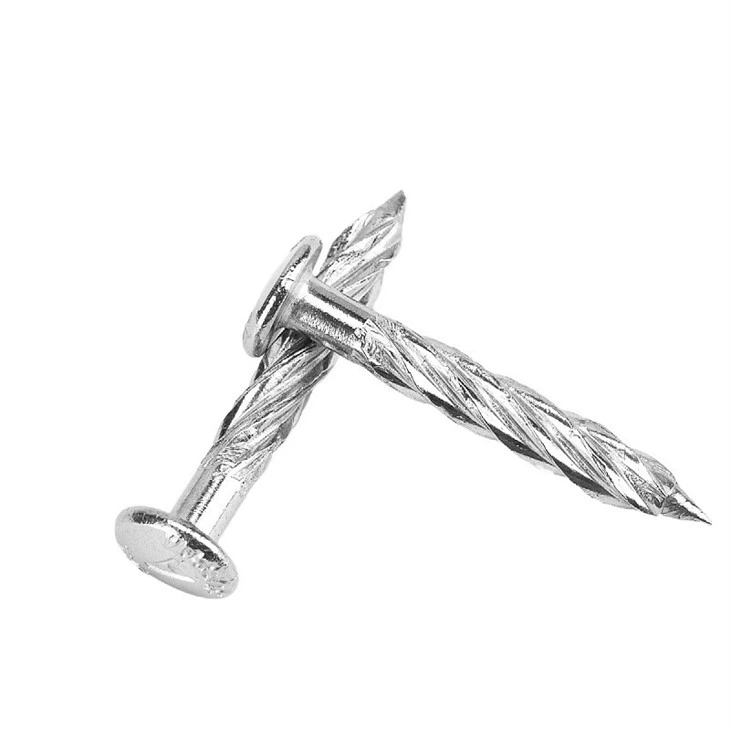
Let's take a closer look at some of the specific types of self-tapping screws and how they work in softwoods. The Twist Nail is a great option for softwoods. Its unique design allows it to grip the wood tightly and provide excellent holding power. It's also relatively easy to drive in, even in denser softwoods.
The T25 Screws are another popular choice. They have a Phillips-type drive that provides a good grip, making them easy to install. These screws are often used in furniture building and other projects where a clean, professional look is desired.
The Round Head Self Drilling Screw is a versatile option that can be used in a variety of softwood applications. The self-drilling tip eliminates the need for pre-drilling, and the round head provides a flush finish that looks great.
In some cases, you might need to pre-drill a pilot hole even when using self-tapping screws in softwoods. This is especially true if you're using a large or thick screw, or if you're working with a particularly dense softwood. Pre-drilling a pilot hole can help prevent the wood from splitting and ensure a more accurate installation.
When it comes to the installation process, here are some tips to keep in mind. First, mark the location where you want to insert the screw. This will help you ensure that the screw goes in straight and in the right place. Then, start the screw at a slight angle to get it started in the wood. Once it's started, you can straighten it out and continue driving it in.
It's also a good idea to use a drill bit that's slightly smaller than the diameter of the screw. This will create a tight fit and help the screw hold better. And make sure you clean the area where you're installing the screw to remove any debris or dust that could affect the installation.
Now, let's talk about some common mistakes to avoid when using self-tapping screws in softwoods. One of the biggest mistakes is using the wrong type of screw. As I mentioned earlier, make sure you choose a screw that's appropriate for your project and the type of softwood you're using.
Another mistake is not using enough screws. If you're attaching two pieces of wood together, make sure you use enough screws to provide a strong connection. Using too few screws can result in a weak joint that could come apart over time.
Finally, don't forget to protect the screws from corrosion. Softwoods are often exposed to the elements, so it's important to use screws that are coated or made from a corrosion-resistant material. This will help ensure the longevity of your project.
In conclusion, self-tapping screws are a great choice for softwoods. They offer many benefits, including time savings, strength, and ease of use. Whether you're a professional contractor or a DIY enthusiast, self-tapping screws can help you get your projects done quickly and efficiently.
If you're interested in purchasing self-tapping screws for your next softwood project, I'd love to talk to you. We offer a wide range of high-quality self-tapping screws, including the Twist Nail, T25 Screws, and Round Head Self Drilling Screw. Contact us to discuss your needs and get started on your project.
References
- Wood Handbook: Wood as an Engineering Material, Forest Products Laboratory
- Construction Woodworking Basics, Homebuilding and Renovating Magazine