

Hey there! As a supplier of combination screws, I get asked a lot about how long these bad boys last. It's a great question, and the answer isn't as straightforward as you might think. In this blog post, I'm going to dive deep into the factors that affect the lifespan of combination screws and give you a better idea of what to expect.
First off, let's talk about what combination screws are. For those who aren't familiar, combination screws are a type of fastener that combines the features of a screw and a washer. They're designed to provide a more secure and efficient connection, and they're commonly used in a variety of applications, including woodworking, metalworking, and construction.

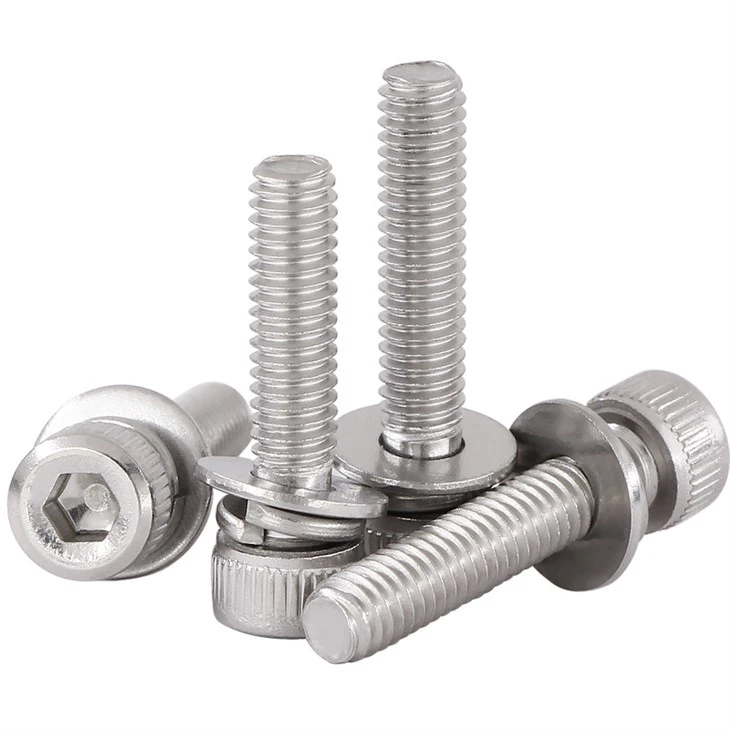
Now, let's get to the main question: how long do combination screws last? Well, the lifespan of a combination screw depends on several factors, including the quality of the screw, the environment in which it's used, and the amount of stress it's subjected to.
Quality of the Screw
The quality of the screw is one of the most important factors that affect its lifespan. High-quality combination screws are made from durable materials, such as stainless steel, brass, or titanium, and they're designed to withstand a lot of wear and tear. On the other hand, low-quality screws may be made from cheaper materials that are more prone to corrosion, rust, and other forms of damage.
As a supplier of combination screws, I always recommend using high-quality screws whenever possible. While they may be more expensive upfront, they'll save you money in the long run by lasting longer and requiring less frequent replacement.
Environment
The environment in which the combination screw is used also plays a big role in its lifespan. Screws that are exposed to harsh conditions, such as extreme temperatures, high humidity, or corrosive chemicals, are more likely to degrade over time. For example, screws that are used in outdoor applications, such as fencing or decking, are exposed to the elements and may be more prone to rust and corrosion.
To extend the lifespan of your combination screws, it's important to choose the right type of screw for the environment in which it will be used. For example, if you're using screws in an outdoor application, you may want to choose stainless steel screws, which are resistant to rust and corrosion. If you're using screws in a high-temperature environment, you may want to choose titanium screws, which can withstand high temperatures without losing their strength.
Stress
The amount of stress that the combination screw is subjected to is another important factor that affects its lifespan. Screws that are used in applications that require a lot of torque or tension, such as machinery or automotive parts, are more likely to experience wear and tear over time. Additionally, screws that are subjected to frequent vibrations or shocks may also be more prone to damage.
To prevent excessive stress on your combination screws, it's important to use the right type of screw for the application and to follow the manufacturer's instructions for installation. Additionally, you may want to consider using lock washers or other types of fasteners to help secure the screw and prevent it from coming loose.
Typical Lifespan
So, how long can you expect combination screws to last? Well, it really depends on the factors we've discussed above. In general, high-quality combination screws that are used in normal conditions can last for several years or even decades. However, if the screws are exposed to harsh conditions or excessive stress, they may need to be replaced more frequently.
For example, if you're using combination screws in a woodworking project, you can expect them to last for at least several years. However, if you're using screws in an outdoor application, such as a fence or a deck, you may need to replace them every few years to prevent rust and corrosion.
Different Types of Combination Screws
There are several different types of combination screws available on the market, each with its own unique features and benefits. Here are a few of the most common types:
- Outer Hexagonal Combination Screw: This type of screw has a hexagonal head that can be tightened using a wrench. It's commonly used in applications that require a lot of torque, such as machinery or automotive parts.
- Hexagon Socket Combination Screw: This type of screw has a hexagonal socket in the head that can be tightened using an Allen wrench. It's commonly used in applications where space is limited, such as furniture or electronics.
- Hexagon Bolt And Nut Set: This type of combination screw consists of a bolt and a nut that are designed to work together. It's commonly used in applications that require a lot of strength and stability, such as construction or heavy machinery.
Conclusion
In conclusion, the lifespan of combination screws depends on several factors, including the quality of the screw, the environment in which it's used, and the amount of stress it's subjected to. By choosing high-quality screws, using the right type of screw for the application, and following the manufacturer's instructions for installation, you can extend the lifespan of your combination screws and save money in the long run.
If you're in the market for combination screws, I'd love to help. As a supplier of high-quality combination screws, I offer a wide range of products to meet your needs. Whether you're looking for Outer Hexagonal Combination Screw, Hexagon Socket Combination Screw, or Hexagon Bolt And Nut Set, I've got you covered.
So, don't hesitate to reach out if you have any questions or if you're ready to place an order. I'm here to help you find the right combination screws for your project and to ensure that you're completely satisfied with your purchase.
References
- "Fasteners 101: Understanding the Basics." Engineering.com.
- "The Ultimate Guide to Screws." Family Handyman.
- "How to Choose the Right Screw for the Job." This Old House.