

Hey there, music enthusiasts and instrument makers! I'm a supplier of Open Core Rivets, and I know you're always looking for ways to make your musical instruments sound their absolute best. Today, I want to talk about how we can minimize the impact on sound quality when using open core rivets in musical instruments.
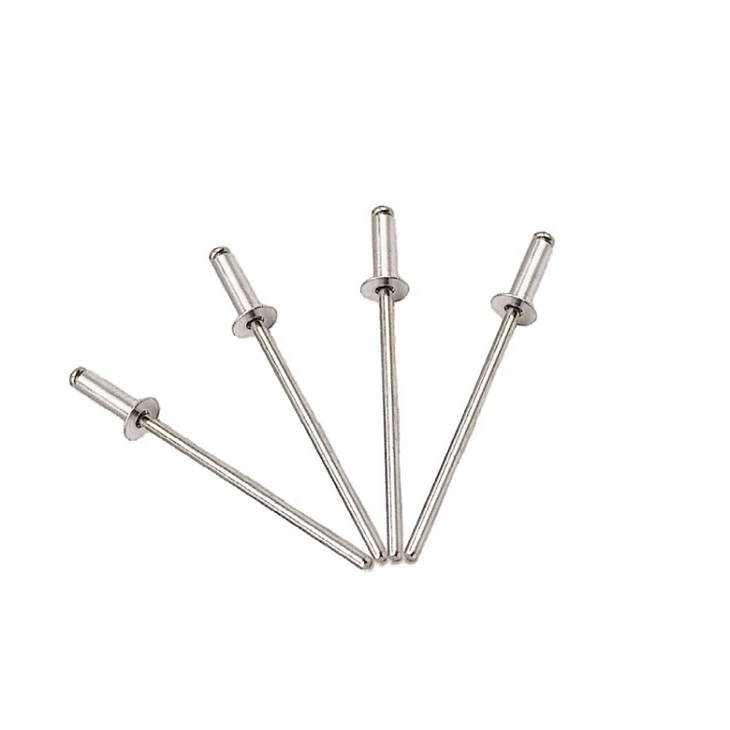
First off, let's understand what open core rivets are. An Open Core Rivet is a type of blind rivet that has an open end. It's pretty handy because you can install it from one side of the material, which is super useful when you can't access the back of the instrument. There are also Open Type Blind Rivet and Open Core-pulling Rivet, which are variations of the same concept.
Now, why would using open core rivets potentially affect sound quality? Well, musical instruments rely on the vibration of their components to produce sound. When you add a rivet, it changes the mass and stiffness of the area where it's installed. This can alter the natural frequencies of the instrument, which in turn can affect the tone and resonance.
So, how can we minimize these negative effects?
1. Material Selection
The material of the open core rivet plays a huge role. You want to choose a material that has similar acoustic properties to the instrument's body. For example, if you're working on a wooden instrument, using a rivet made of a lightweight metal like aluminum can be a good choice. Aluminum is relatively soft and doesn't dampen vibrations as much as some other metals. It also has a similar density to wood in some cases, which helps in maintaining the instrument's natural resonance.
On the other hand, if you're using a rivet in a brass instrument, you might want to go for a brass rivet. This ensures that the acoustic properties of the rivet blend well with the rest of the instrument. Using a different metal could create a mismatch in the vibration transfer, leading to a less pure sound.
2. Rivet Size and Placement
Size matters when it comes to open core rivets. A rivet that's too large can add too much mass to the instrument, dampening the vibrations. You want to choose the smallest rivet that can still provide a strong and secure connection. Measure the thickness of the materials you're joining and select a rivet that's appropriate for that thickness.
Placement is also crucial. Try to place the rivets in areas that are less critical to the instrument's vibration. For example, in a guitar, avoid placing rivets near the soundhole or the bridge. These areas are where most of the vibration and sound production occur, and adding a rivet here can have a significant impact on the sound. Instead, look for areas where the instrument has some structural support but isn't directly involved in the sound generation, like the edges or the back of the instrument.
3. Installation Technique
The way you install the open core rivet can make a big difference. A proper installation ensures that the rivet is securely fastened without causing unnecessary damage to the instrument. When installing the rivet, use the right tools. A high - quality rivet gun that can apply the right amount of force evenly is essential.
Don't over - tighten the rivet. Over - tightening can cause the material around the rivet to deform, which can change the way the instrument vibrates. Make sure the rivet is tightened just enough to create a strong connection. Also, be careful not to damage the surface of the instrument during installation. Any scratches or dents can affect the sound quality.

4. Testing and Adjustment
After installing the open core rivets, it's important to test the instrument. Play it and listen carefully to the sound. Notice if there are any changes in the tone, resonance, or sustain. If you notice any negative effects, you may need to make some adjustments.
You could try removing the rivet and re - installing it in a different location. Or, if the problem is related to the size of the rivet, you could replace it with a smaller one. Sometimes, a small adjustment can make a big difference in the sound quality.
5. Surface Treatment
Surface treatment of the open core rivet can also help minimize the impact on sound quality. A smooth surface finish can reduce friction and allow the rivet to move more freely with the vibrations of the instrument. You can use a polish or a coating on the rivet to achieve a smoother surface.
Some coatings can also help protect the rivet from corrosion, which is important for the long - term durability of the instrument. However, make sure the coating you use doesn't add too much mass or change the acoustic properties of the rivet.
6. Compensating for Changes
If you find that the use of open core rivets has still caused some changes in the sound quality, you can try to compensate for these changes. For example, you could adjust the setup of the instrument. In a guitar, you could adjust the string height or the action to change the way the strings vibrate. This can sometimes help to bring back the original tone and resonance.
In a wind instrument, you could adjust the mouthpiece or the reed to compensate for any changes in the air flow caused by the rivets.
In conclusion, using open core rivets in musical instruments doesn't have to mean sacrificing sound quality. By carefully considering the material, size, placement, installation technique, and making some adjustments, you can minimize the negative impact on the sound.
If you're an instrument maker or someone who's into customizing musical instruments, I'd love to hear from you. I'm here to provide you with high - quality Open Core Rivets and help you find the best solutions for your projects. Whether you have questions about which rivet to choose or need advice on installation, don't hesitate to reach out. Let's work together to create musical instruments that sound amazing!
References
- Acoustic Properties of Materials in Musical Instruments - Journal of Musical Instrument Research
- The Impact of Fasteners on Instrument Vibration - International Journal of Instrument Making