

Splint nuts, also known as lock nuts, are essential fasteners used in various industries to prevent nuts from loosening due to vibration or other external forces. As a leading splint nut supplier, I often receive inquiries about the materials used to manufacture these crucial components. In this blog post, I will delve into the different materials commonly used to make splint nuts, their properties, and the applications where they are most suitable.
Steel
Steel is one of the most widely used materials for manufacturing splint nuts. It is known for its high strength, durability, and resistance to wear and tear. Steel splint nuts are available in different grades, each with its own unique properties and applications.
- Carbon Steel: Carbon steel is a popular choice for splint nuts due to its affordability and good mechanical properties. It contains carbon as the primary alloying element, which gives it strength and hardness. Carbon steel splint nuts are commonly used in general-purpose applications where high strength and durability are required. However, they are prone to corrosion and may require additional surface treatment, such as zinc plating or black oxide coating, to enhance their corrosion resistance.
- Alloy Steel: Alloy steel splints nuts are made by adding other elements, such as chromium, nickel, and molybdenum, to carbon steel. These alloying elements improve the steel's strength, toughness, and corrosion resistance. Alloy steel splint nuts are commonly used in high-stress applications, such as automotive, aerospace, and machinery industries. They can withstand extreme temperatures and harsh environments, making them suitable for demanding applications.
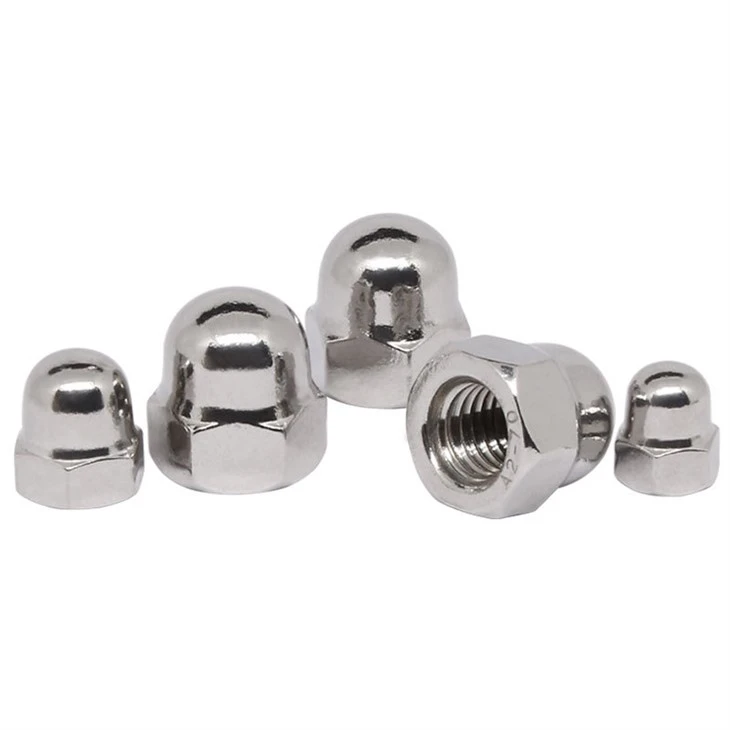
- Stainless Steel: Stainless steel is a corrosion-resistant alloy that contains chromium, nickel, and other elements. It is known for its excellent resistance to rust, staining, and corrosion, making it ideal for applications where hygiene and durability are crucial. Stainless steel splint nuts are commonly used in the food and beverage, pharmaceutical, and marine industries. They are also suitable for outdoor applications where exposure to moisture and harsh weather conditions is a concern.
Brass
Brass is an alloy of copper and zinc, known for its excellent corrosion resistance, electrical conductivity, and aesthetic appeal. Brass splint nuts are commonly used in applications where electrical conductivity and corrosion resistance are required, such as electrical and electronic equipment, plumbing, and decorative applications.
- Yellow Brass: Yellow brass is the most common type of brass used for manufacturing splint nuts. It contains approximately 67% copper and 33% zinc, giving it a yellowish color. Yellow brass splint nuts are known for their good strength, ductility, and corrosion resistance. They are commonly used in general-purpose applications where a combination of strength and corrosion resistance is required.
- Red Brass: Red brass contains a higher percentage of copper (approximately 85%) and a lower percentage of zinc (approximately 15%) than yellow brass. It has a reddish color and is known for its excellent corrosion resistance and electrical conductivity. Red brass splint nuts are commonly used in electrical and electronic applications, such as circuit boards and connectors.
Aluminum
Aluminum is a lightweight, corrosion-resistant metal known for its high strength-to-weight ratio. Aluminum splint nuts are commonly used in applications where weight reduction is a priority, such as aerospace, automotive, and marine industries.
- Aluminum Alloy: Aluminum alloy splint nuts are made by adding other elements, such as magnesium, silicon, and copper, to aluminum. These alloying elements improve the aluminum's strength, hardness, and corrosion resistance. Aluminum alloy splint nuts are commonly used in high-stress applications where weight reduction and corrosion resistance are crucial.
- Anodized Aluminum: Anodized aluminum is a process where a thin layer of aluminum oxide is formed on the surface of the aluminum splint nut through an electrochemical process. This layer provides additional corrosion resistance and improves the nut's appearance. Anodized aluminum splint nuts are commonly used in decorative applications where a sleek and modern look is desired.
Plastic
Plastic splint nuts are made from various types of polymers, such as nylon, polycarbonate, and acetal. They are known for their lightweight, corrosion resistance, and electrical insulation properties. Plastic splint nuts are commonly used in applications where weight reduction, electrical insulation, and corrosion resistance are required, such as electronics, telecommunications, and automotive industries.
- Nylon: Nylon is a popular choice for plastic splint nuts due to its high strength, toughness, and chemical resistance. It is also known for its low friction coefficient, which makes it easy to install and remove. Nylon splint nuts are commonly used in applications where vibration and noise reduction are required, such as automotive and machinery industries.
- Polycarbonate: Polycarbonate is a strong, transparent plastic known for its excellent impact resistance and heat resistance. It is commonly used in applications where high strength and transparency are required, such as electrical and electronic equipment.
- Acetal: Acetal is a high-performance plastic known for its excellent dimensional stability, low friction coefficient, and resistance to wear and tear. It is commonly used in applications where precision and durability are required, such as precision machinery and automotive components.
Applications of Different Materials
The choice of material for splint nuts depends on the specific application requirements. Here are some common applications and the materials that are most suitable for them:

- Automotive Industry: In the automotive industry, splint nuts are used in various applications, such as engine components, suspension systems, and braking systems. Steel and alloy steel splint nuts are commonly used due to their high strength and durability. Stainless steel splint nuts may also be used in applications where corrosion resistance is a concern, such as in marine or coastal environments.
- Aerospace Industry: The aerospace industry requires splint nuts that can withstand extreme temperatures, high stresses, and harsh environments. Alloy steel and titanium splint nuts are commonly used due to their high strength-to-weight ratio and excellent corrosion resistance. Titanium splint nuts are particularly suitable for applications where weight reduction is critical, such as in aircraft wings and fuselages.
- Electrical and Electronic Industry: In the electrical and electronic industry, splint nuts are used to secure components and provide electrical conductivity. Brass and stainless steel splint nuts are commonly used due to their excellent electrical conductivity and corrosion resistance. Plastic splint nuts may also be used in applications where electrical insulation is required, such as in printed circuit boards.
- Marine Industry: The marine industry requires splint nuts that can withstand the corrosive effects of saltwater and harsh weather conditions. Stainless steel and brass splint nuts are commonly used due to their excellent corrosion resistance. Anodized aluminum splint nuts may also be used in applications where weight reduction is a priority, such as in boat hulls and decks.
Conclusion
As a splint nut supplier, I understand the importance of choosing the right material for your specific application. The materials used to make splint nuts vary in terms of their properties, such as strength, durability, corrosion resistance, and electrical conductivity. By understanding the different materials available and their applications, you can make an informed decision when selecting splint nuts for your project.
If you are looking for high-quality splint nuts made from a variety of materials, [Your Company Name] is your trusted supplier. We offer a wide range of splint nuts in different sizes, materials, and finishes to meet your specific requirements. Our products are manufactured to the highest standards of quality and reliability, ensuring that they perform well in even the most demanding applications.
Whether you need splint nuts for automotive, aerospace, electrical, or marine applications, we have the expertise and experience to provide you with the right solutions. Contact us today to discuss your requirements and learn more about our products and services. We look forward to working with you to meet your splint nut needs.
References
- "Fasteners: A Guide to Selection, Installation, and Maintenance." Industrial Press, Inc., 2018.
- "Materials Science and Engineering: An Introduction." William D. Callister Jr. and David G. Rethwisch, Wiley, 2016.
- "Handbook of Fastening and Joining." CRC Press, 2017.
In addition, for more information about related products, you can visit the following links:
If you are interested in purchasing splint nuts or have any questions about our products, please feel free to contact us. We are ready to assist you in finding the best solutions for your needs and look forward to starting a successful business relationship with you.